Breast Pain During Breastfeeding: Common Causes, Relief & Updated Guidance
Breast pain during breastfeeding is common, but that does not mean it should be ignored.
Some parents experience mild tenderness, while others develop persistent pain, swelling, burning sensations, breast firmness, or inflammation that interferes with feeding, pumping, sleep, and daily life.
According to the Academy of Breastfeeding Medicine (ABM), breast pain can exist along a spectrum of inflammatory breastfeeding conditions that may include engorgement, plugged ducts, inflammatory mastitis, bacterial mastitis, and abscess. Updated guidance increasingly emphasizes gentle, inflammation-conscious care and avoiding overly aggressive treatment approaches.
At BoobEaze, we provide in-home therapeutic breast massage and gentle manual support throughout NYC and Hoboken for lactating parents experiencing breast discomfort and breastfeeding-related pain.
What Can Cause Breast Pain During Breastfeeding?
Breast pain during lactation can have many contributing factors.
Common causes may include:
breast engorgement,
inflammation,
plugged or clogged ducts,
oversupply,
tissue swelling,
pressure on breast tissue,
nipple irritation,
inflammatory mastitis,
bacterial mastitis,
pumping-related irritation,
feeding schedule changes,
breast tissue sensitivity.
Some parents experience localized pain in one area, while others describe diffuse heaviness, burning, throbbing, or pressure throughout the breast.
Common Symptoms of Breast Pain During Lactation
Symptoms may include:
breast tenderness,
painful breast lumps,
swelling or firmness,
warmth,
redness,
throbbing sensations,
burning discomfort,
pain while nursing or pumping,
heaviness or fullness,
discomfort that worsens throughout the day,
recurrent inflammation,
sharp or radiating discomfort.
Symptoms can vary significantly from person to person.
Updated Guidance on Breast Inflammation
Historically, many breastfeeding parents were advised to aggressively massage painful areas or pump excessively to “empty” the breast.
More recent guidance from the Academy of Breastfeeding Medicine increasingly recognizes inflammation and tissue swelling as major contributors to breast symptoms.
Current recommendations increasingly emphasize:
gentle care approaches,
reducing unnecessary pressure on breast tissue,
avoiding aggressive massage,
maintaining regular feeding patterns,
prioritizing inflammation management,
using ice or cool compresses when appropriate,
supporting overall comfort and recovery.
Aggressive pressure may sometimes worsen tissue irritation and swelling.
Gentle Support for Breast Pain During Breastfeeding
At BoobEaze, our sessions focus on compassionate, hands-on support designed to prioritize comfort during breastfeeding challenges.
Sessions may include:
gentle manual therapy,
manual lymphatic drainage principles,
soft tissue fascial release type of support,
inflammation-conscious care,
education and self-management guidance,
positioning and comfort strategies.
Every postpartum experience is unique, and sessions are tailored to each client’s symptoms, comfort level, and feeding experience.
What Does a BoobEaze Session Look Like?
BoobEaze provides in-home postpartum breast therapy sessions throughout NYC and Hoboken.
A session may include:
symptom discussion and history review,
gentle hands-on care including releasing fascial tension,
lymphatic-focused techniques,
breastfeeding comfort support,
education and self-management guidance,
collaborative recommendations to follow up with medical providers or lactation consultants when appropriate.
Our goal is to provide solution to the breast pain and create a calm, supportive environment where parents feel heard and cared for during a stressful postpartum experience.
When Should You Seek Medical Care?
Some breastfeeding-related breast symptoms require medical evaluation.
Please contact your physician, OB-GYN, midwife, or lactation consultant if you experience:
fever or chills,
flu-like symptoms,
rapidly worsening redness,
severe or escalating pain,
persistent symptoms despite conservative care,
concerns for infection or abscess.
BoobEaze does not diagnose or treat medical conditions and encourages collaborative care with healthcare providers and lactation consultants.
Can Breast Pain Progress to Mastitis?
In some situations, unmanaged inflammation may progress along the mastitis spectrum.
The Academy of Breastfeeding Medicine now describes engorgement, inflammatory mastitis, bacterial mastitis, and abscess as related inflammatory conditions rather than completely separate problems.
Early supportive care and symptom monitoring may help reduce worsening symptoms.
Frequently Asked Questions
Is breast pain normal during breastfeeding?
Some temporary tenderness may occur, especially early postpartum. However, persistent or worsening breast pain should not be ignored.
Can inflammation cause breast pain?
Yes. Updated breastfeeding guidance increasingly recognizes inflammation and tissue swelling as major contributors to breastfeeding-related breast discomfort.
Is aggressive breast massage recommended?
Current breastfeeding guidance increasingly emphasizes gentle care approaches, as excessive pressure may worsen swelling and tissue irritation.
Can therapeutic breast massage help breast pain?
Gentle manual therapy and supportive care may help improve comfort, reduce swelling sensations, and support breastfeeding goals for some lactating parents.
In-Home Postpartum Support in NYC
BoobEaze provides in-home therapeutic breast massage throughout:
Williamsburg,
Greenpoint,
Park Slope,
Brooklyn Heights,
Manhattan,
Upper West Side,
Tribeca,
Hoboken,
and select areas of Queens and Brooklyn.
Our mission is to support breastfeeding parents through compassionate, gentle, hands-on postpartum care.
Schedule an in-home session today.
Breast Engorgement During Breastfeeding: Symptoms, Relief & Updated Guidance
Breast engorgement is a common experience during the early postpartum period. Many breastfeeding parents experience swelling, firmness, breast pain, and discomfort as milk production increases after birth.
While engorgement can feel overwhelming, updated breastfeeding guidance increasingly emphasizes gentle, inflammation-conscious care rather than aggressive massage or overstimulation.
At BoobEaze, we provide in-home therapeutic breast massage and gentle manual support throughout NYC and Hoboken for parents experiencing breast discomfort during lactation.
What Is Breast Engorgement?
Breast engorgement occurs when the breasts become overly full, swollen, and inflamed during breastfeeding or pumping.
This commonly happens:
when milk first comes in,
during sudden increases in milk production,
after missed feedings,
or when milk removal becomes disrupted.
According to the Academy of Breastfeeding Medicine (ABM), swelling and inflammation within the breast tissue play an important role in engorgement symptoms.
Common Symptoms of Breast Engorgement
Symptoms may include:
swollen or enlarged breasts,
firmness or tightness,
breast tenderness or pain,
warmth,
heaviness or pressure,
flattened nipples from swelling,
difficulty with infant latch,
throbbing discomfort,
breast fullness that worsens throughout the day.
Symptoms can range from mild discomfort to significant pain that interferes with feeding or pumping.
Why Engorgement Happens
Breast engorgement can develop from several contributing factors, including:
milk “coming in” postpartum,
oversupply,
delayed or missed feedings,
ineffective milk removal,
pumping patterns that overstimulate milk production,
inflammation and fluid accumulation within breast tissue.
More recent breastfeeding guidance recognizes that many breast symptoms exist along an inflammatory “mastitis spectrum” rather than being caused purely by milk blockage alone.
Updated Guidance on Engorgement Relief
Historically, breastfeeding parents were often told to use aggressive massage or excessive pumping to relieve engorgement.
Updated breastfeeding guidance increasingly supports a gentler approach focused on reducing inflammation and supporting comfort.
Supportive strategies may include:
continuing regular feeding patterns,
avoiding excessive pumping,
using ice or cool compresses,
reducing pressure on the breasts,
rest and hydration,
gentle hand expression when appropriate,
supportive positioning strategies.
Gentle care is increasingly emphasized because excessive pressure or aggressive massage may worsen tissue irritation and swelling.
Gentle Support for Breast Engorgement
At BoobEaze, our sessions focus on compassionate, hands-on support designed to prioritize comfort during breastfeeding challenges.
Sessions may include:
gentle manual therapy,
manual lymphatic drainage principles,
soft tissue support,
education and self-management guidance,
inflammation-conscious care strategies,
breastfeeding comfort support.
Every postpartum experience is different, and sessions are personalized to each client’s symptoms and comfort level.
What Does a BoobEaze Session Look Like?
BoobEaze provides in-home postpartum breast therapy throughout NYC and Hoboken.
A session may include:
symptom discussion,
gentle hands-on care,
lymphatic-focused techniques,
education and comfort strategies,
collaborative recommendations to follow up with medical providers or lactation consultants when appropriate.
Our goal is to create a calm and supportive experience for parents navigating breastfeeding discomfort.
When Should You Seek Medical Care?
Some breastfeeding-related breast symptoms require medical evaluation.
Please contact your physician, OB-GYN, midwife, or lactation consultant if you experience:
fever or chills,
flu-like symptoms,
worsening redness,
rapidly increasing pain,
persistent symptoms despite conservative care,
concerns for infection or abscess.
BoobEaze does not diagnose or treat medical conditions and encourages collaborative care with healthcare providers.
Can Engorgement Lead to Mastitis?
In some situations, unmanaged inflammation may progress along the mastitis spectrum.
The Academy of Breastfeeding Medicine describes conditions such as engorgement, inflammatory mastitis, bacterial mastitis, and abscess as related inflammatory processes.
Early supportive care and symptom monitoring may help reduce worsening symptoms.
Frequently Asked Questions
How long does breast engorgement last?
Many parents experience improvement within several days as feeding patterns stabilize, although symptoms vary from person to person.
Should I pump more when engorged?
Excessive pumping may sometimes worsen oversupply or inflammation. Updated guidance increasingly recommends avoiding overstimulation when possible.
Is aggressive breast massage recommended?
Current breastfeeding guidance increasingly emphasizes gentle care approaches, as aggressive pressure may worsen swelling or tissue irritation.
Can therapeutic breast massage help engorgement?
Gentle manual therapy and supportive care may help improve comfort, reduce swelling sensations, and support breastfeeding goals for some lactating parents.
In-Home Postpartum Support in NYC
BoobEaze provides in-home therapeutic breast massage throughout:
Williamsburg,
Greenpoint,
Park Slope,
Brooklyn Heights,
Manhattan,
Upper West Side,
Tribeca,
Hoboken,
and select areas of Queens and Brooklyn.
Our mission is to support breastfeeding parents through compassionate, gentle, hands-on postpartum care.
Schedule an in-home session today.

Clogged Milk Ducts: Causes, Symptoms, and How to Treat Them (Evidence-Based Guide)
It All Begins Here
What Is a Clogged Milk Duct?
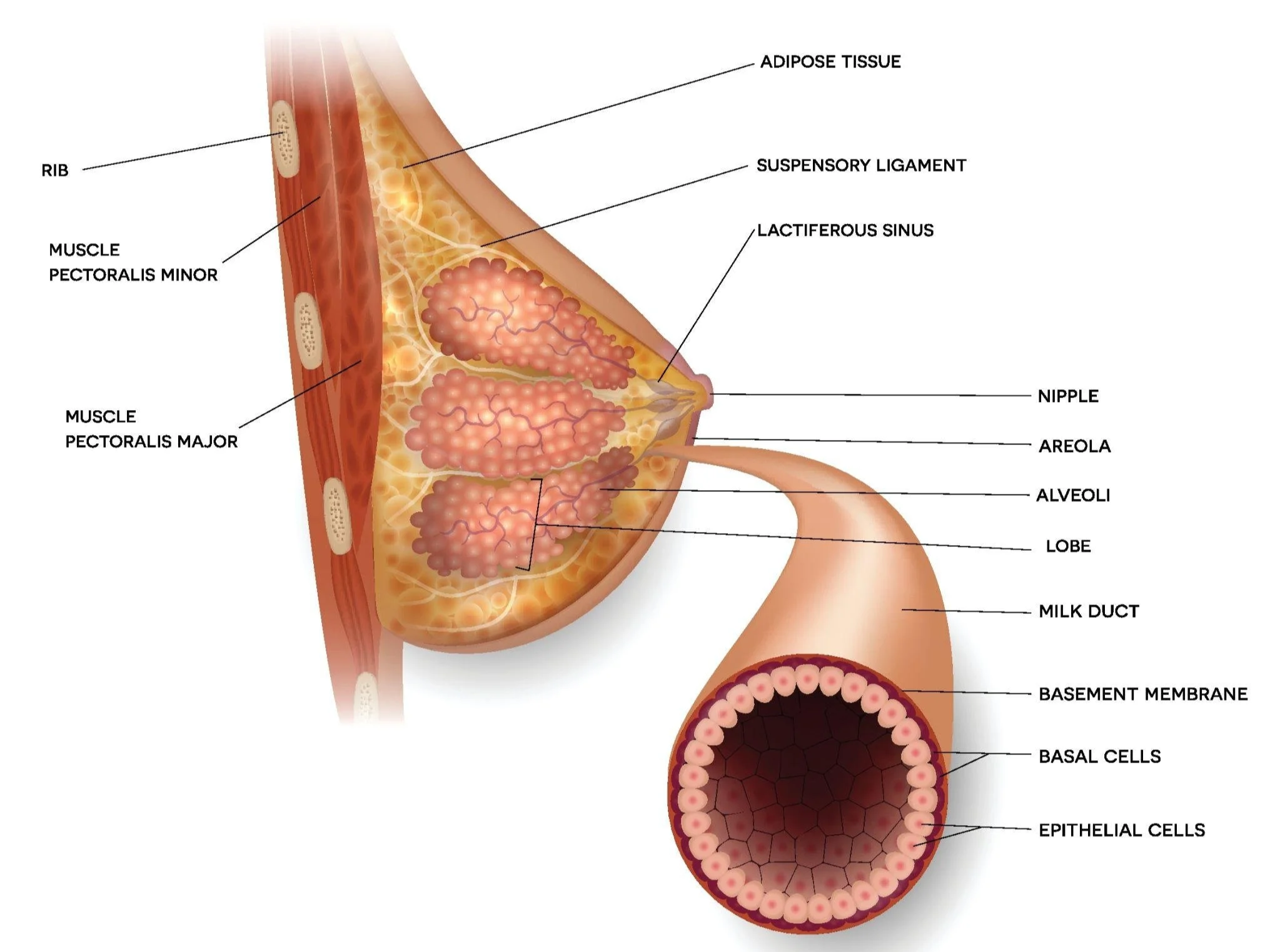
A clogged milk duct is one of the most common causes of breast pain during breastfeeding. It often presents as a tender lump in the breast, but current medical understanding has evolved.
According to the Academy of Breastfeeding Medicine, clogged ducts are not simply a blockage.
Instead, they are caused by:
Localized inflammation
Swelling (edema) in breast tissue
Compression of milk ducts from surrounding pressure
This condition exists on a spectrum that can progress into mastitis if not treated appropriately.
What Causes a Clogged Milk Duct?
1. Milk Stasis (Most Common)
Skipped feeds
Irregular feeding schedule
Oversupply
Incomplete milk removal due to poor latch
2. Inflammation and Swelling
Swelling narrows the ducts, making milk flow more difficult.
3. External Pressure
Tight bras
Baby carriers
Sleeping positions
4. Overstimulation (Common Mistake)
Excessive pumping
Trying to “empty the breast completely”
Aggressive massage
These can worsen inflammation instead of helping
Symptoms of a Clogged Milk Duct
Common Symptoms
Tender lump in the breast
Localized swelling
Mild redness
Pain during or between feeds
Usually No Systemic Symptoms
No fever
No chills
If fever or flu-like symptoms develop, this may indicate mastitis and requires medical attention.
How to Treat a Clogged Milk Duct (Evidence-Based)
1. Continue Breastfeeding Normally
Feed on demand
Avoid excessive pumping
Do not try to aggressively empty the breast
2. Use Ice (Not Heat)
Apply cold packs for 10–20 minutes
Helps reduce swelling and pain
3. Reduce Inflammation
Ibuprofen may help if appropriate
4. Gentle Lymphatic Drainage
Use light, superficial strokes
Move fluid away from the nipple toward lymph nodes
Avoid deep or painful pressure
5. Optimize Latch and Feeding Position
Ensure effective milk transfer
Reduce strain on breast tissue
What NOT to Do
Avoid outdated advice that can make symptoms worse:
❌ Deep, painful massage
❌ Heat combined with aggressive pumping
❌ Trying to “break up” the clog
❌ Overfeeding or overpumping
When to Seek Medical Care
Contact a healthcare provider if you experience:
Fever above 100.4°F
Chills or body aches
Rapidly worsening pain or redness
Symptoms lasting more than 48 hours
How We Help at BoobEaze
If your symptoms are not improving, hands-on support can help reduce inflammation and speed recovery.
At BoobEaze, we focus on:
Gentle lymphatic drainage
Myofascial release to reduce soft tissue restriction
Improving circulation to relieve pain and swelling
👉 Book an in-home session:
https://boobeazetherapy.com/contact
👉 Learn more about our services:
https://boobeazetherapy.com/services

Mastitis in Breastfeeding: Causes, Symptoms, and Treatment (ABM Evidence-Based Guide)
It All Begins Here
What Is Mastitis?
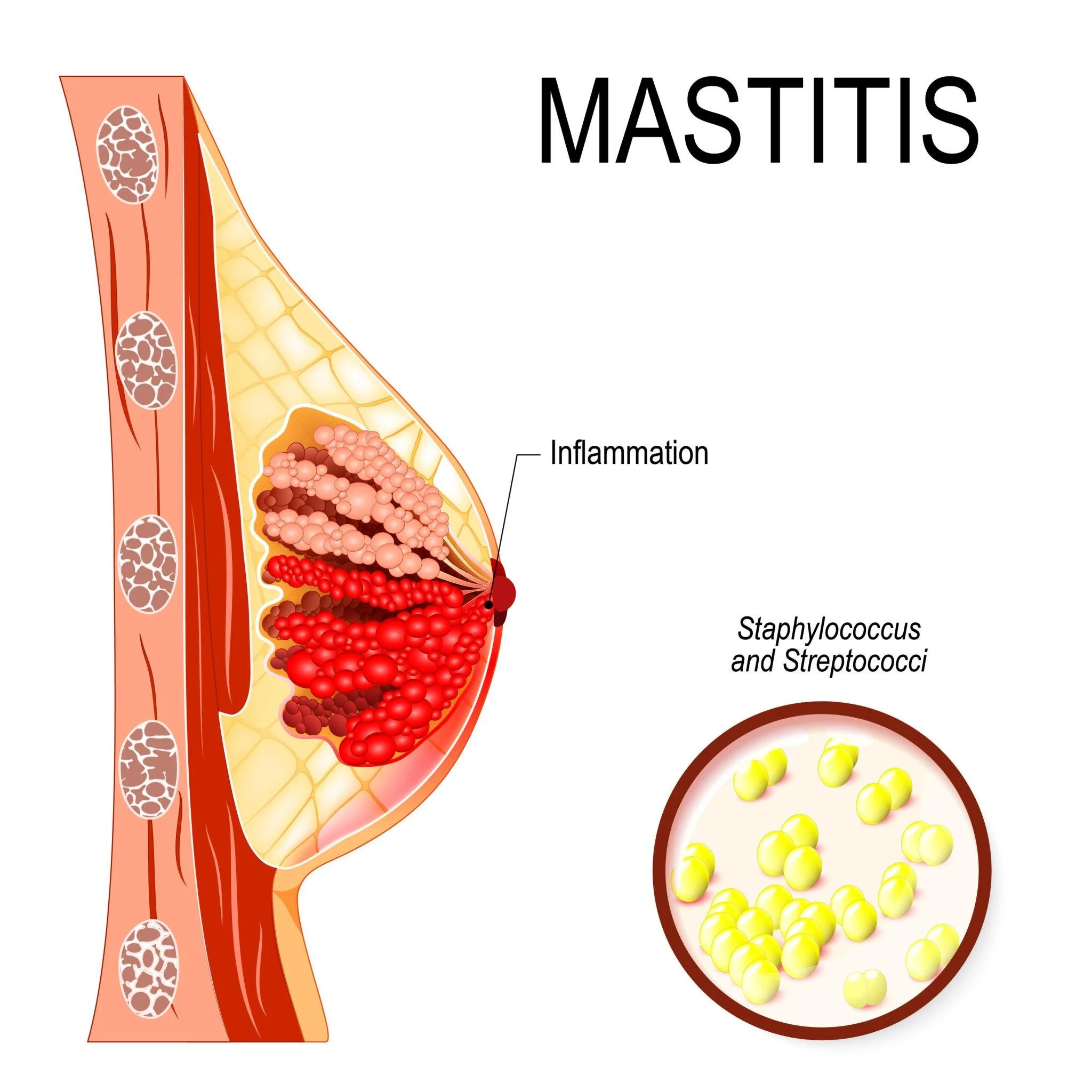
Mastitis is an inflammatory condition of the breast that can occur during breastfeeding. It often causes pain, swelling, redness, and flu-like symptoms.
According to the Academy of Breastfeeding Medicine, mastitis is part of a continuum of breast inflammation, which includes:
Engorgement
Clogged ducts (localized inflammation)
Inflammatory mastitis
Bacterial mastitis
This means mastitis is not always an infection—it often begins as inflammation that may or may not become bacterial.
What Causes Mastitis?
1. Milk Stasis (Primary Trigger)
Infrequent feeding or pumping
Sudden schedule changes
Oversupply
Incomplete milk removal
2. Inflammation and Tissue Swelling
Swelling compresses milk ducts, making flow more difficult and increasing pressure in the breast.
3. External Pressure
Tight bras
Baby carriers
Sleeping positions
4. Maternal Stress and Fatigue
Sleep deprivation
Physical exhaustion
Increased vulnerability to inflammation
5. Bacterial Overgrowth (In Some Cases)
Can develop when inflammation disrupts the breast’s normal microbiome
Not all mastitis requires antibiotics
Symptoms of Mastitis
Local Breast Symptoms
Painful, swollen area of the breast
Redness (often wedge-shaped)
Warmth to the touch
Firmness or lump
Systemic Symptoms (Key Difference from Clogged Duct)
Fever (over 100.4°F / 38°C)
Chills
Body aches
Fatigue
These flu-like symptoms are a hallmark of mastitis.
How to Treat Mastitis (ABM Evidence-Based Approach)
Treatment focuses on reducing inflammation and supporting recovery, not aggressively forcing milk out.
1. Continue Breastfeeding (Gently)
Feed on demand
Do not over-pump
Avoid trying to “empty the breast completely”
2. Use Ice to Reduce Inflammation
Apply cold packs for 10–20 minutes
Helps decrease swelling and pain
3. Rest and Hydration
Prioritize sleep and recovery
Increase fluid intake
4. Anti-Inflammatory Support
Ibuprofen can help reduce pain and swelling (if appropriate)
5. Gentle Lymphatic Drainage
Light, superficial touch
Move fluid away from the nipple
Avoid deep or aggressive massage
6. Antibiotics (When Necessary)
Only indicated if symptoms persist or bacterial infection is suspected
Not all mastitis requires antibiotics
👉 A healthcare provider can determine if antibiotics are needed.
What NOT to Do
Avoid outdated advice that may worsen mastitis:
❌ Deep, painful breast massage
❌ Excessive pumping
❌ Applying heat excessively
❌ Trying to “push through the pain”
These approaches can increase inflammation and delay recovery.
When to Seek Medical Care
Contact a healthcare provider if:
Fever persists beyond 24 hours
Symptoms worsen quickly
Severe pain or spreading redness develops
No improvement within 24–48 hours
How We Help at BoobEaze
If you’re experiencing mastitis symptoms, early intervention can make a significant difference.
At BoobEaze, we focus on:
Reducing inflammation through gentle techniques
Supporting lymphatic flow
Relieving tissue tension with myofascial release
Helping you continue breastfeeding comfortably
👉 Book an in-home session:
https://boobeazetherapy.com/contact
👉 Explore our services:
https://boobeazetherapy.com/services
Frequently Asked Questions
Is mastitis always an infection?
No. Mastitis often begins as inflammation and may or may not become bacterial.
Can I keep breastfeeding with mastitis?
Yes. Continuing to breastfeed is generally recommended and safe.
How long does mastitis last?
With proper treatment, symptoms often improve within 24–48 hours.
Credit & Medical Reference
This article is based on clinical guidance from the:
Academy of Breastfeeding Medicine
Their protocols emphasize that mastitis exists on a spectrum of breast inflammation and should be treated with a focus on reducing inflammation, supporting normal physiology, and avoiding overly aggressive interventions.