Clogged Milk Ducts: Causes, Symptoms, and How to Treat Them (Evidence-Based Guide)
What Is a Clogged Milk Duct?
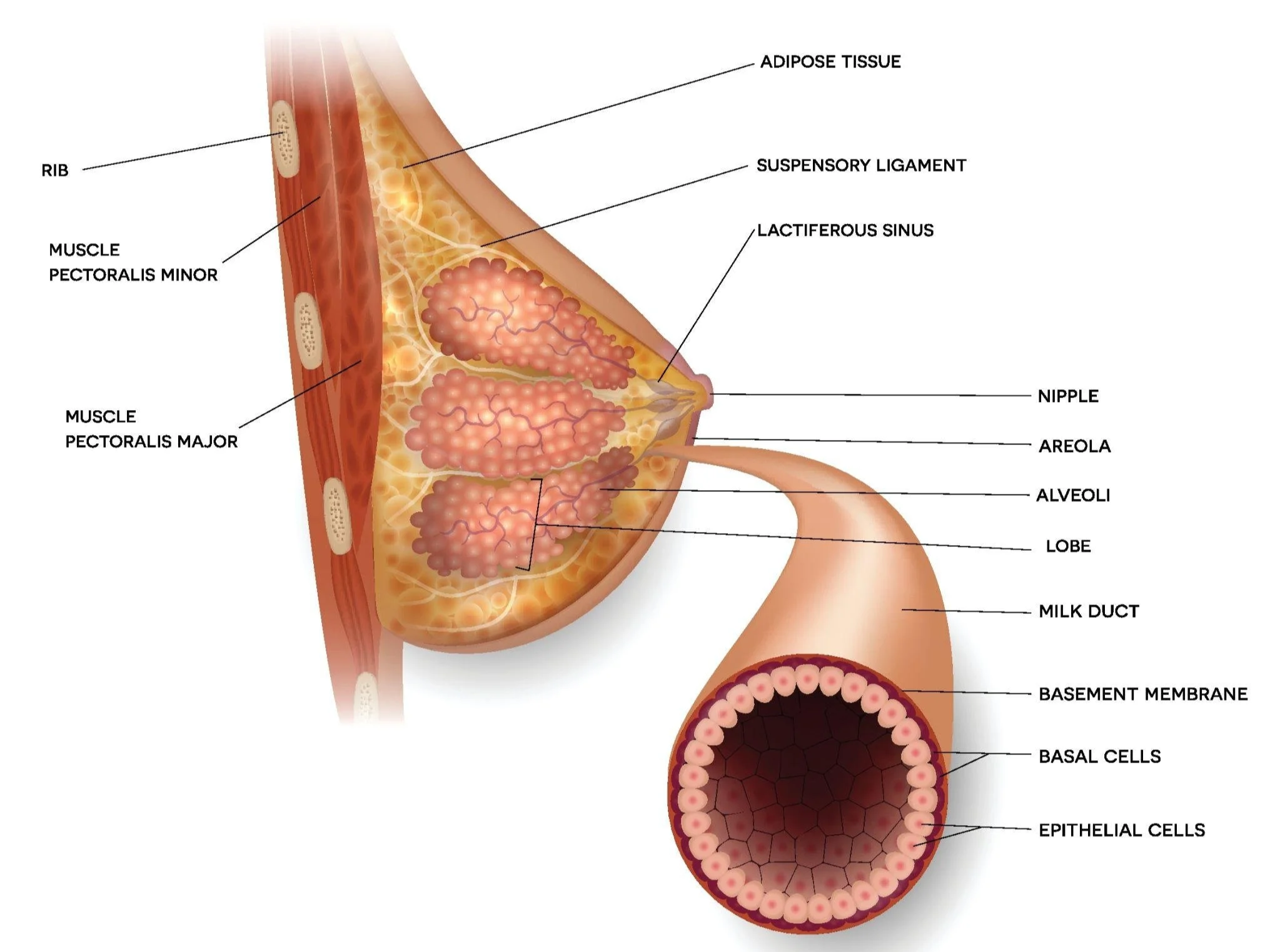
A clogged milk duct is one of the most common causes of breast pain during breastfeeding. It often presents as a tender lump in the breast, but current medical understanding has evolved.
According to the Academy of Breastfeeding Medicine, clogged ducts are not simply a blockage.
Instead, they are caused by:
Localized inflammation
Swelling (edema) in breast tissue
Compression of milk ducts from surrounding pressure
This condition exists on a spectrum that can progress into mastitis if not treated appropriately.
What Causes a Clogged Milk Duct?
1. Milk Stasis (Most Common)
Skipped feeds
Irregular feeding schedule
Oversupply
Incomplete milk removal due to poor latch
2. Inflammation and Swelling
Swelling narrows the ducts, making milk flow more difficult.
3. External Pressure
Tight bras
Baby carriers
Sleeping positions
4. Overstimulation (Common Mistake)
Excessive pumping
Trying to “empty the breast completely”
Aggressive massage
These can worsen inflammation instead of helping
Symptoms of a Clogged Milk Duct
Common Symptoms
Tender lump in the breast
Localized swelling
Mild redness
Pain during or between feeds
Usually No Systemic Symptoms
No fever
No chills
If fever or flu-like symptoms develop, this may indicate mastitis and requires medical attention.
How to Treat a Clogged Milk Duct (Evidence-Based)
1. Continue Breastfeeding Normally
Feed on demand
Avoid excessive pumping
Do not try to aggressively empty the breast
2. Use Ice (Not Heat)
Apply cold packs for 10–20 minutes
Helps reduce swelling and pain
3. Reduce Inflammation
Ibuprofen may help if appropriate
4. Gentle Lymphatic Drainage
Use light, superficial strokes
Move fluid away from the nipple toward lymph nodes
Avoid deep or painful pressure
5. Optimize Latch and Feeding Position
Ensure effective milk transfer
Reduce strain on breast tissue
What NOT to Do
Avoid outdated advice that can make symptoms worse:
❌ Deep, painful massage
❌ Heat combined with aggressive pumping
❌ Trying to “break up” the clog
❌ Overfeeding or overpumping
When to Seek Medical Care
Contact a healthcare provider if you experience:
Fever above 100.4°F
Chills or body aches
Rapidly worsening pain or redness
Symptoms lasting more than 48 hours
How We Help at BoobEaze
If your symptoms are not improving, hands-on support can help reduce inflammation and speed recovery.
At BoobEaze, we focus on:
Gentle lymphatic drainage
Myofascial release to reduce soft tissue restriction
Improving circulation to relieve pain and swelling
👉 Book an in-home session:
https://boobeazetherapy.com/contact
👉 Learn more about our services:
https://boobeazetherapy.com/services